Welcome to the inaugural edition of Bridge Insights, the Access Bridge newsletter! In this space, we will share what we are seeing, learning and working on across HIV prevention and sexual and reproductive health (SRH) product innovation, introduction and access, alongside useful insights, resources and perspectives from our partners and the wider field.
Who We Are
A new generation of HIV prevention options is creating unprecedented opportunity. But a product can only change lives if the systems around it are ready: if countries can plan, commodities reach programmes, providers can deliver them, communities trust them, and evidence reaches the people making decisions.
That is where Access Bridge comes in. We are an Africa-rooted, globally connected organisation working to turn evidence, market intelligence, and implementation experience into action — helping countries and partners move promising innovations towards sustainable, equitable access and meaningful choice.
What We’ve Been Up To
Putting Women and Young People at the Centre of PrEP Choice

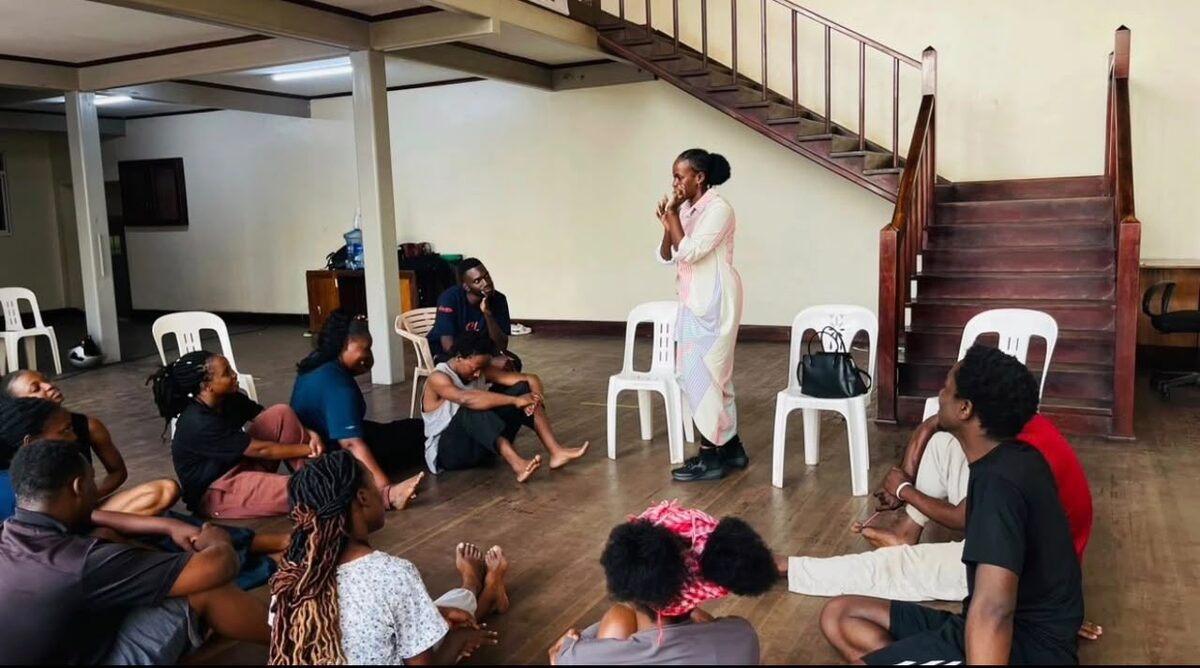
New PrEP methods offer a powerful opportunity to expand HIV prevention options, but choice is not simply about the availability of new products. It is also about ensuring women and young people have a meaningful role in shaping how those products are introduced and delivered. That is the work Access Bridge is leading, in partnership with Ascend Futures Foundation (Zambia) and HopeStone Insight Uganda.
This work is being implemented by the Her Choice, Her Power consortium, with support from Aidsfonds through the EmpowHER Fund. The consortium aims to improve access to HIV prevention for women and girls in Kenya, Uganda and Zambia by ensuring they have an active and meaningful role in shaping PrEP choice, from design and priority setting to implementation and accountability.
Since launching in June 2026, Ascend Futures Foundation has recruited and trained more than 50 young ambassadors across Chilanga, Chongwe, and Lusaka, Zambia, and HopeStone Insight Uganda has supported adolescent girls and young women (AGYW) to shape Uganda’s National HIV/AIDS Policy and advocate for greater choice and accountability in HIV prevention.
Supporting Countries to Fulfill the Promise of LEN
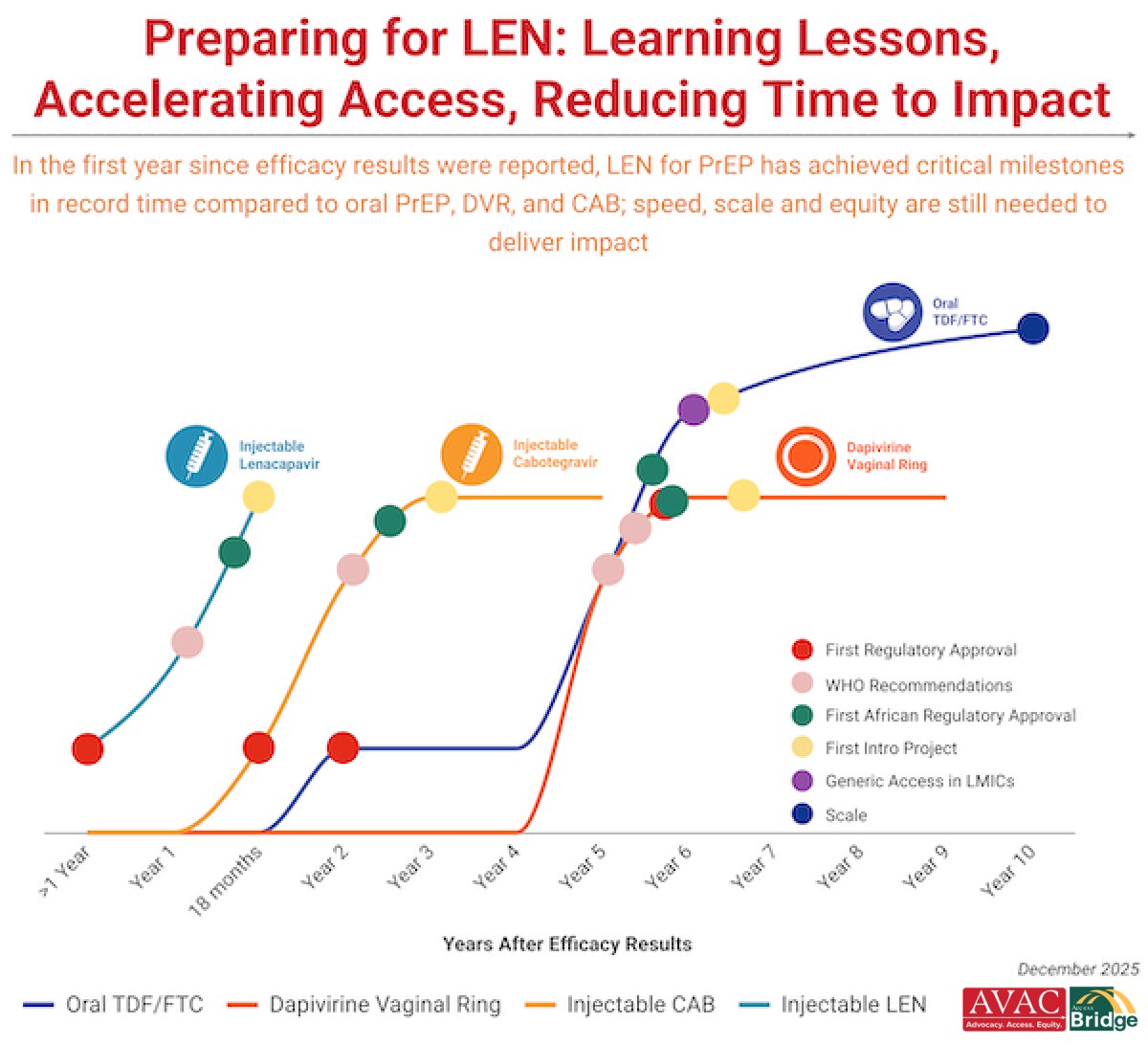
The excitement around six-monthly injectable lenacapavir (LEN) for PrEP has surpassed anything seen with previous HIV prevention products, leading to strong demand where LEN is available. However, that demand is running up against severe and unpredictable supply constraints. Delayed shipments, limited visibility into procurement pipelines and mismatches between initiation and continuation doses have forced some programmes to slow expansion and scale back demand-generation activities, creating a risk to public trust when availability is limited or nonexistent.
Advocates are calling for greater coordination among countries, funders, manufacturers and technical partners, and Access Bridge is helping to turn that call into action. Access Bridge, in collaboration with AVAC, is supporting new product introduction through the Global HIV Prevention Coalition Plus (GPC+), an expanded platform for coordination across HIV prevention efforts, leveraging and incorporating the past Coalition to Accelerate Access to Long-Acting PrEP, which was led by AVAC and Access Bridge.
In this role, we’re connecting Ministries of Health with procurers, donors, product developers, manufacturers, implementing partners and other global partners to drive action. Early wins include improved sharing of shipment information, greater flexibility around product mix, earlier engagement with countries on generic allocation planning for 2027 and continued issue-resolution conversations.
Reflecting on the Biomedical Prevention Implementation Collaborative (BioPIC)
June marked the close of an incredible five-year journey for the Biomedical Prevention Implementation Collaborative (BioPIC). Launched in 2021 within AVAC’s Product Introduction and Access team, BioPIC helped shape the thinking, partnerships, evidence and infrastructure that have supported the introduction of long-acting PrEP and prepared the HIV prevention field for what comes next.
At its core, BioPIC demonstrated what is possible when diverse partners come together early to anticipate challenges, share evidence and solve problems collectively. Over the life of the project, this included transforming PrEPWatch.org into an even stronger global resource for PrEP introduction, publishing the PxWire quarterly newsletter, convening 19 strategic think tanks and numerous other coordination forums, and establishing the Coalition to Accelerate Access to Long-Acting PrEP. The Coalition brought governments, communities, donors, implementers, normative agencies and product developers together around shared priorities and helped tackle critical barriers to the introduction of CAB and LEN. These collective efforts contributed to LEN reaching key rollout milestones faster than any previous PrEP product.
As BioPIC closes, its legacy lives on in the partnerships, tools, ways of working and lessons that continue to shape the next generation of HIV prevention.
Access Bridge is proud to carry this work forward through the expanded GPC+, building on what BioPIC made possible while supporting countries and communities to navigate an increasingly diverse prevention landscape.
What We’re Learning
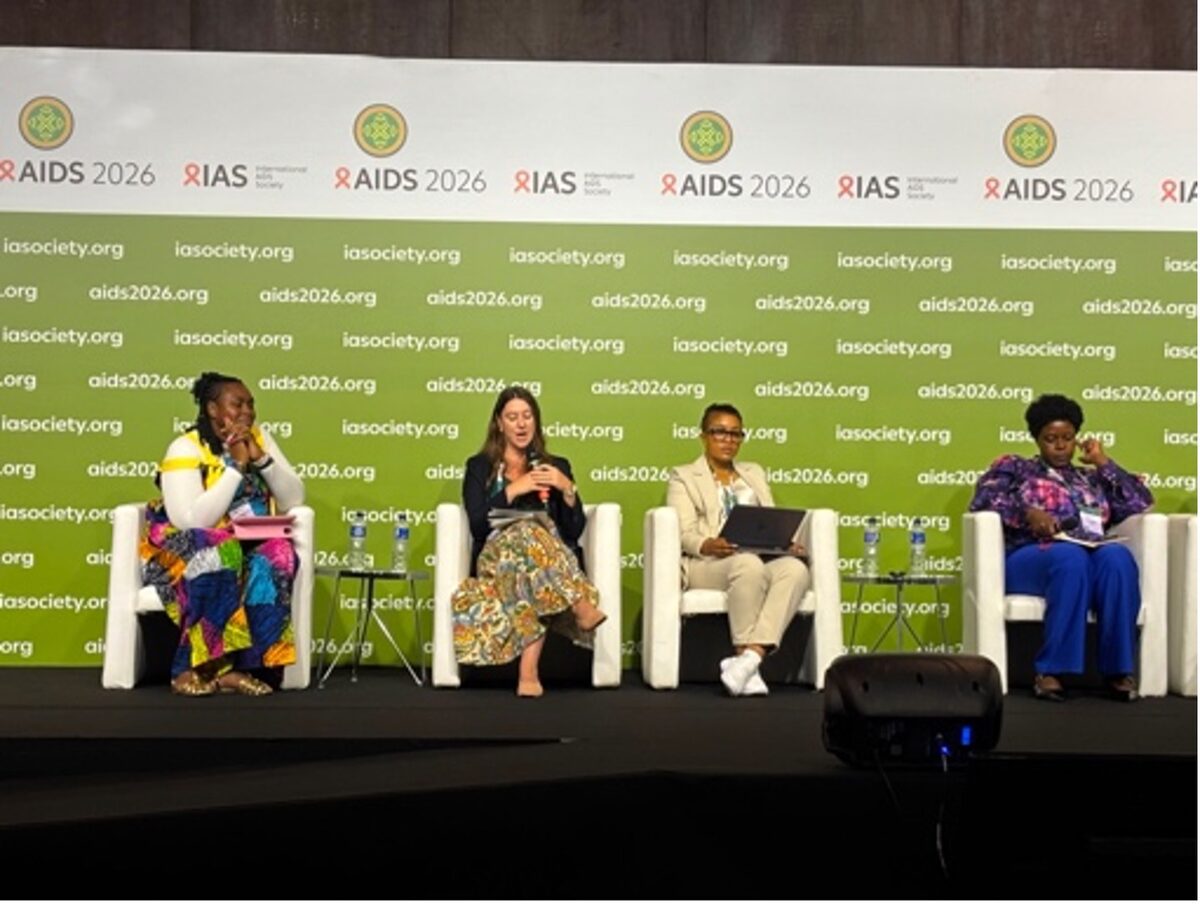
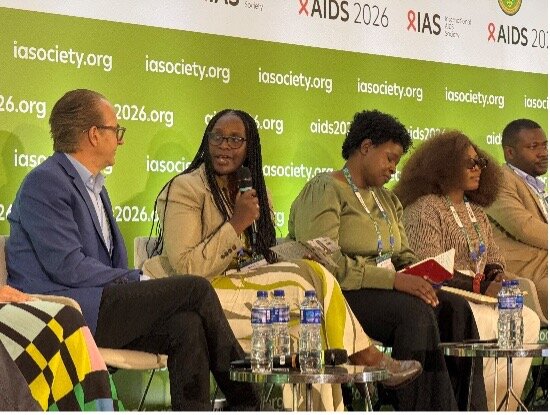
A Growing Menu of HIV Prevention Options and the Challenge of Making Choice Real
A clear theme emerged from AIDS 2026: scientific innovation alone does not deliver impact. Access Bridge Executive Director Wawira Nyagah summed it up:
“Yes, we need to rethink, rebuild, and rise. But if we don’t do it with access and with equity, then scientific innovation is not going to make the difference in people’s lives. Communities must lead the conversation on what’s next.”
— Wawira Nyagah, Executive Director, Access Bridge
Because of the early supply challenges with LEN, countries have been reluctant to create demand for new PrEP products that could outpace available supply and are calling for local manufacturing and generics based in Africa. In this context, Merck/MSD announced early voluntary licensing agreements for generic alimatravir (AMI), the monthly PrEP pill currently in Phase III trials. The agreements, including partnerships with manufacturers in the three African countries where the trials are taking place, offer one example of how access planning can begin before a product is even found to be efficacious. Given some of the early challenges of LEN rollout, excitement about the potential impact of the growing menu of prevention options is being met with caution about the future of meaningful, widespread access to HIV prevention in Africa.
The current moment requires a recalibration of what it looks like to realistically deliver choice. We cannot rely on one product or one delivery model to address the diverse prevention needs of communities. Countries across Africa are already making this a national priority. By next year’s IAS conference, we expect to see programmes that are more simplified and integrated, deliver on self-care and leverage digital/AI solutions, and, most importantly, are choice-based.
What Next for Access Bridge
- PrEP Power Demand Generation Toolkit: Using insights gathered through Human Centred Design workshops in Eswatini, Kenya, and Zambia, this toolkit, developed in partnership with Global Black Gay Men Connect (GBGMC) and AVAC, can support efforts to engage key populations on long-acting PrEP. Join us to learn more, including how you can adapt the toolkit for your own local context, on Tuesday, 27 October at 3.30pm EAT.
- Kenya HIV Prevention Resource Mapping Report: In partnership with Kenya’s National AIDS and STI Control Programme (NASCOP), Access Bridge is finalising a comprehensive report on HIV prevention activities across Kenya, with dissemination taking place in October 2026.
- Early LEN and PrEP Choice Learnings in Kenya, Uganda and Zambia: Through the EmpowHER Fund, this assessment will highlight insights from the introduction of LEN and PrEP choice in the Her Choice, Her Power consortium’s focus countries.
- Insights brief on the future of the dapivirine vaginal ring and cabotegravir: Access Bridge is working directly with Ministries of Health across six African countries to understand how these products, which are currently available in limited settings, may fit into the long-term PrEP method mix and how countries decide which products to make available.
- Making PrEPWatch Even More Useful: Working with AVAC, Access Bridge will support a new PrEPWatch helpdesk feature that will provide an accessible entry point for country and implementer questions and link requests to verified resources, implementation experience and appropriate technical support.

The People Making this Happen
Rooted in African leadership with global connections, the Access Bridge team brings deep expertise across HIV prevention, sexual and reproductive health, product introduction, policy and advocacy. We work in partnership with leading organisations and individuals at local, regional and global levels to move HIV prevention options from evidence to real-world impact.
Bridge Insights is the Access Bridge newsletter. Get the next issue in your inbox.